Whoa! I know that sounds dramatic. But really, mobile wallets have quietly become the nerve center of my on-chain life. Short trips, long commutes, coffee shop tinkering — that’s where decisions happen now, not at a desktop. My instinct said “one app to rule them all” for years, and then reality nudged me: it’s messier than that.
Here’s the thing. A wallet that says “multichain” can mean a dozen different things. Some apps mean well. Some just bundle a bunch of chains and call it diversification. You need to look deeper. Security. UX. Token visibility. Cross-chain operations. And how the app reports your holdings over time. These are the bits that actually make or break day-to-day use. Seriously?
First impressions matter. When I open a wallet and my balances load instantly, I feel calmer. Hmm… latency matters more than people admit. Slow balance updates lead to second-guessing. On one hand fast sync shows competence; on the other hand, fast and wrong is worse than slow and accurate. Initially I thought faster was always better, but then I realized frequent reorgs and indexer delays can show phantom balances — and that bad UX is born from over-eagerness.
Security is non-negotiable. Short sentence. Your non-custodial seed or key must be isolated from the app’s everyday functions. Multi-factor sign-in, hardware-wallet support, biometric gating — all good. But watch the small stuff: does the app request camera or contact permissions that it doesn’t need? That part bugs me. I’m biased toward wallets that minimize permission creep. Also, check how they handle transaction previews; a vague preview is a red flag.
Wallets that handle many chains often compromise on clarity. They shoehorn unfamiliar token standards into a single UI, and then users get confused. It happens a lot. Oh, and by the way… token naming collisions are real. Two tokens named “HONEY” could be on different chains with wildly different values. The app should show chain context everywhere — not buried in a tiny label.
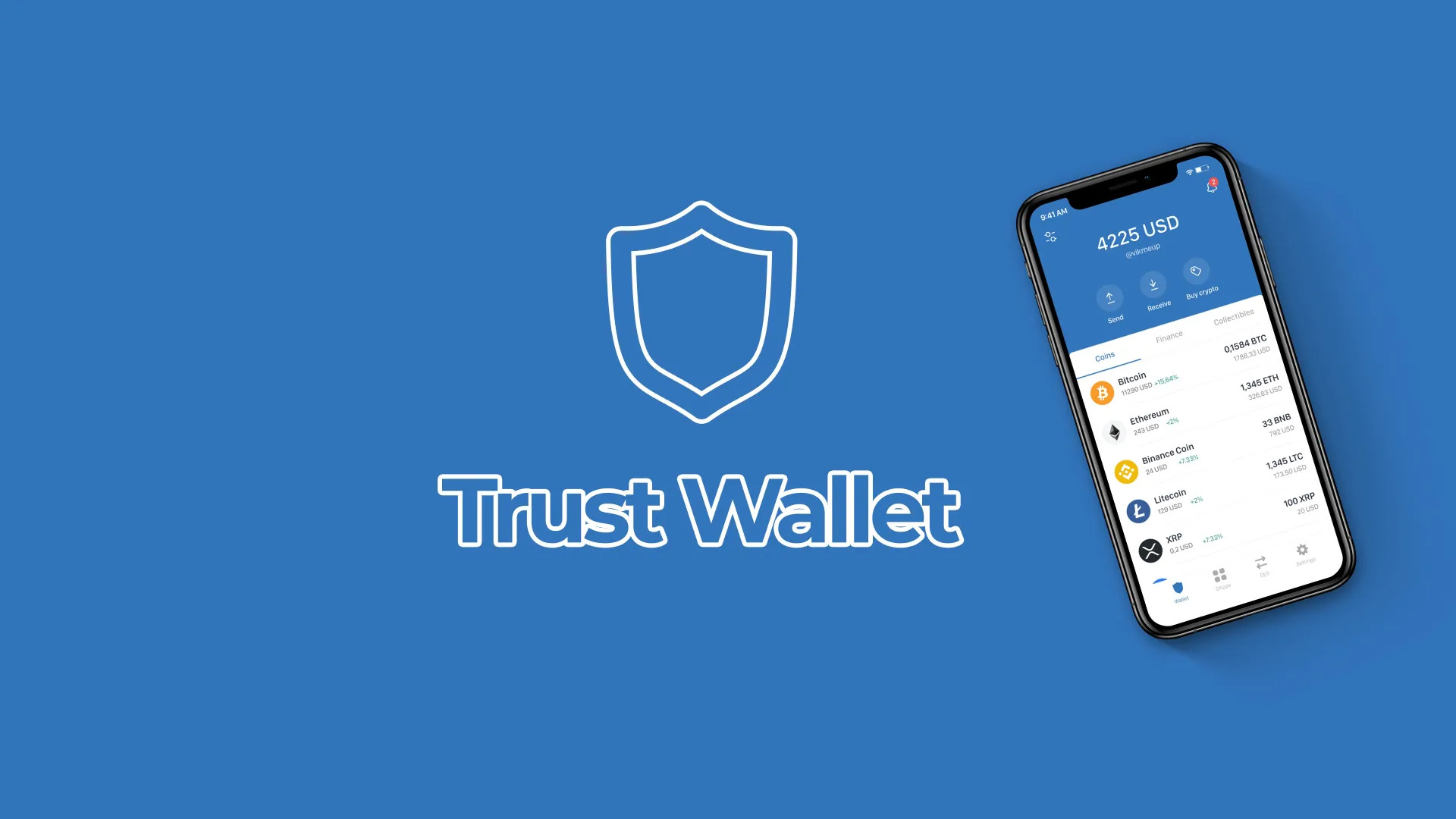
Finding a Mobile Multichain Wallet That Pulls Its Weight — and Why truts wallet Deserves a Look
Okay, so check this out — I tried a bunch of wallets over the last two years. Some were slick. Some crashed mid-swap. But one pattern stood out: the ones that combined clear multichain views with a real portfolio tracker made risk decisions easier. My recommendation isn’t absolute, but if you want a place to start, truts wallet has a lot of the right instincts. truts wallet gives chain context, quick connection to hardware wallets, and a portfolio feed that actually reconciles token price histories across chains — which is oddly hard to find.
Portfolio tracking is more than a pretty graph. You want transaction-level traceability, fiat conversion, and historical pricing sourced from reliable feeds. Medium-length thoughts help here. For example, if you bridged assets two months ago, the tracker should show the cross-chain event and its impact on portfolio history — not just a new token appearing out of nowhere. That clarity prevents nasty surprises when you check your tax docs later.
Cross-chain swaps and bridges. There’s excitement here. But also risk. Wow! Bridges can be lifesavers for liquidity, though they add attack surface. You want a wallet that clearly flags cross-chain risk, preferably with recommended bridges and a warning when a bridge has had recent incidents. I’m not being alarmist — I’m being practical. My instinct said “use the cheapest route” once, and it cost me a few painful hours untangling txs.
Transaction signing deserves its own paragraph. Short. A wallet should separate dApp approvals from token approvals. It should let you batch-revoke permissions. Long chains of approvals that remain forever valid are an exploit vector. Initially I thought permissions dialogs were fine as-is, but then I saw too many users accept approvals without noticing the allowances were unlimited. Actually, wait — that simple UX tweak (a reminder to set allowance limits) would lower risk for lots of people.
Performance and offline considerations. Phones die. Data limits exist. So the wallet should cache important views and let you inspect recent transactions offline. That helps when you’re on a plane or in a subway tunnel and need to check a token ID or gas settings. Also… occasional sync issues make me double-check on a block explorer. It’s a pain, but a necessary habit.
Privacy is underrated. Medium. Do you want your wallet to leak which chains you use via analytics? Some wallets harvest on-chain metadata — not directly the funds, but your behavior. That can be used for targeted phishing later. I’m not 100% sure of every analytics vendor, but avoid apps that insist on broad telemetry if privacy matters to you.
Custodial vs non-custodial. Short thought. If you hand keys to a service, you trade sovereignty for convenience. That’s fine for some people. But if you’re here to self-custody, make sure backup flows are battle-tested. Seed phrases are clumsy. Many users lose them. Gear toward wallets offering encrypted cloud backups (optional), hardware-wallet pairing, and clear restore testing. Also, practice the restore. It feels tedious, yet it’s the only way to test your backup.
Design matters in odd ways. Medium sentences now. A clean UI reduces mistakes. Buttons that are too small, colors that imply confirmation when they actually cancel — these lead to costly errors. Good wallets use microcopy to explain what a fee does, or why a swap failed. That kind of polish reduces stress. It honestly feels like the difference between an app built by developers and one by product people who used crypto themselves.
Integration with DeFi and dApps. Long sentence ahead: you want seamless but safe connectivity to dApps, ideally with an integrated Web3 browser that surfaces contract audits, token contract addresses, and official links, because that context helps avoid impostor dApps and token scams that mimic legitimate projects. On one hand it’s convenient; on the other hand, convenience without guardrails is dangerous.
Mobile-only limits. Short. There are trade-offs: smaller screen, less memory, and sometimes less secure OS versions out there. So a good mobile wallet will encourage occasional desktop or hardware checks for major moves, like large swaps or long-term staking. I’m biased, but I still do big withdrawals from a hardware wallet attached to a laptop — habit and prudence.
Support and community. Medium. Bugs happen. You want responsive support channels, clear changelogs, and an active community that surfaces issues fast. Wallets with transparent roadmaps and public security audits earn trust. While I’m not saying every project with a Discord is trustworthy, projects that hide audits or ignore security findings are ones I avoid.
Costs and hidden fees. Be careful. Short sentence. Many wallets hide swap fees inside quoted rates. Others charge for fiat on-ramps. Compare the full cost of the operation, not just the headline gas. Sometimes paying a little more for a safer route is smarter than chasing pennies.
Okay, here’s a little checklist to bookmark: short bullets in prose. 1) Clear multichain labels and chain context. 2) Hardware wallet support and secure key isolation. 3) Transaction-level portfolio history and reliable price feeds. 4) Distinct separation of dApp and token approvals. 5) Privacy-respecting analytics. 6) Transparent audits and responsive support. If a wallet ticks most of these, you’re in good shape. If it misses more than two, pause and think.
FAQ
How do I reconcile balances across chains?
Use a wallet with a portfolio tracker that maps bridged assets and timestamps — so transfers show up as moves rather than mysterious new tokens. Also cross-check on-chain records with the wallet’s history. I’m not perfect at this; sometimes I still open a block explorer to be sure.
Is a mobile wallet secure enough for large holdings?
Short answer: yes, if paired with a hardware wallet and good backup practices. For very large holdings, use multisig or hardware-first flows. My rule of thumb: daily funds on mobile; cold storage for long-term stakes and large bags.
What’s the biggest UX trap new users fall into?
Infinite approvals and ignoring chain context. Users accept approvals and don’t revisit them. They also assume tokens with the same ticker are the same. That creates problems. Regularly audit allowances and verify contract addresses before interacting.
Alright — I’m wrapping up but not closing the conversation. I’m curious which pain point bothers you the most. Wallet choice is personal. My priorities won’t perfectly match yours. But if you want a mobile-first, multichain-aware app with sensible portfolio tracking, check the features I mentioned and give truts wallet a look if it fits your needs. I’m not selling anything; I’m sharing what I use and what saved me headaches. Somethin’ to think about…