Whoa! I ran a trade on one chain and watched it fail on another. Seriously? That sucked. At first it felt like bad luck. Then I realized: this is avoidable. My instinct said something felt off about treating chains as interchangeable. Initially I thought a single “preview” step would be enough, but then I dug into how state, mempools, and bridges actually behave and that simple preview falls apart fast.
Here’s the thing. Multi‑chain wallets are no longer just address managers. They’re execution engines that must reason about liquidity, approvals, gas, finality, cross‑chain message relays and the messy real world of node reliability. If your wallet doesn’t simulate transactions across the exact contexts they will execute in, you’re guessing. And guesses cost users money — and trust.
Where wallets go wrong (short and blunt)
They assume chains are the same. They’re not. They assume RPC nodes are honest and fast. Not guaranteed. They assume a token is a token. Nope. These are basic mistakes, but they keep happening. (Oh, and by the way, approvals are treated casually — that part bugs me.)
On one hand, a wallet can show balances and gas estimates. On the other hand, users need a clear picture of execution failure modes, approval exposures, and cross‑chain durability — though actually getting that picture requires simulation across multiple layers and data sources. Hmm…
What good transaction simulation actually is
Think of simulation as a dry run of the state transitions your signed transaction will cause, executed against a model of the chain that approximates the real execution environment. It should answer: will it revert? How much gas will it use? What approvals change? What intermediate token paths are created or consumed? Will a bridge lock funds and then fail to mint on the other side because of finality timing?
Practically, that means combining several techniques: eth_call/callStatic checks, local fork simulations (Anvil/Hardhat/Tenderly style) to reproduce internal calls and traces, mempool-aware prechecks when possible, and post‑simulation analysis that maps traces to user‑friendly outcomes. Use multiple RPCs. Validate contracts’ bytecode and ABI. Crosscheck token decimals and wrapper contracts. All of it.
Advanced risk assessment layers (what to compute)
Start with static signals. Is the contract verified? Is it upgradable? Does it have admin keys? Has it been audited? These are cheap to fetch and very informative. But static signals alone miss runtime hazards. So add dynamic analysis: how often does this contract revert on similar calls? Are there recent abnormal volumes or highly skewed liquidity pools? Combine on‑chain heuristics with third‑party exploit databases and exploit patterns (reentrancy, oracle manipulation, fake token approvals).
Then translate those into a user‑facing risk score. Not a binary “safe/unsafe” label, but a short sentence plus a numeric score and the contributing factors. Users want to know “why” — not just the number. Show the top 3 drivers: admin keys, low liquidity, large allowance change.
Simulation specifics for multi‑step and cross‑chain flows
Cross‑chain flows are a pain because they involve at least two execution contexts and often asynchronous finality. A good wallet pipeline will:
- Simulate the source chain swap/lock locally, including call traces, slippage outcomes, and approval changes.
- Estimate bridge message latency and finality risk based on recent observed relayer times and chain reorg depth.
- Simulate the expected mint/claim on the destination chain — but flag it if the destination relies on third‑party relayers with poor reliability.
Yes, you can dry‑run the claim on a fork of the destination chain. No, that doesn’t guarantee a relayer won’t drop the message in practice. So your UI should present a “probable success window” and alternative recovery paths (manual claim, support contact, tx rescind options).
Practical tools and integrations
Use local fork providers for deep tracing when you need exact call traces. Use eth_call for quick prechecks. Integrate a mempool watcher or private bundle service (Flashbots style) if you want to reason about front‑running and MEV risk. Combine these with third‑party simulators that offer stateful, historical replays (Tenderly, Blocknative). Each tool has tradeoffs — cost, speed, coverage — so mix them.
Also, don’t forget UX: show expected gas ranges, not single numbers. Show worst‑case slippage and a likely outcome. Let advanced users toggle the simulation depth (fast check vs. full trace). I’m biased, but users will pay for clarity. Very very important.
Approval hygiene and UX patterns
Approvals are one of the biggest attack surfaces. Wallets need to surface the exact allowance changes, the receiving contract address (clickable), and the time horizon of that approval. Offer quick revoke flows and recommend explicit small allowances for swaps. Present an approval risk label when the delegate is a proxy or upgradable contract.
Make the approval UX contextual. If a DEX needs a one‑time approval for a specific swap, simulate the swap, show the effective allowance needed, and give an option to use permit signatures (EIP‑2612) if supported so the approval step can be skipped. If permit isn’t available — warn more loudly.
Node selection, chain health, and fallback logic
Simulation equals the quality of your node model. If your RPC gives stale state, your simulation lies. So pick diversified node providers and fallback chains. Use blockTag “pending” for mempool‑aware simulations when appropriate. Monitor node latencies and reorgs; if a chain is experiencing deep reorgs, raise the failure probability and notify the user. (I used to ignore reorgs. I won’t again.)
Putting it together: a recommended pipeline
OK, so check this out — a pragmatic pipeline you can implement:
- Quick statics: contract verification, admin keys, audits.
- Fast precheck: eth_call / callStatic to detect immediate reverts and typical gas estimates.
- Forked trace (optional for high‑value txs): run on a local fork for internal call traces and exact gas use.
- Mempool assessment: evaluate front‑running or sandwich risk; offer bundling/private relay if risk is high.
- Cross‑chain relay check: estimate bridge latency & finality; simulate destination claim when possible.
- Render results: human summary, numeric risk, top reasons, exact call trace on demand, revocable approvals prompt.
- Execute with safeguards: hardware/multisig prompts, nonce checks, and bundled submission if chosen.
Initially I thought that was overkill, but in practice this pipeline prevents more failure modes than you’d expect. Actually, wait — let me rephrase that: you don’t need the full fork trace for every tiny transfer, but for swaps, bridged flows, or high‑value ops, it’s indispensable.
Developer and integration notes
Expose simulation hooks in your wallet API so dApps can request a dry‑run with sanitized inputs. Limit what dApps can request to avoid exposing private keys or stateful info. Offer signed, timestamped simulation receipts that users can attach to support tickets or audits. That helps when disputes arise.
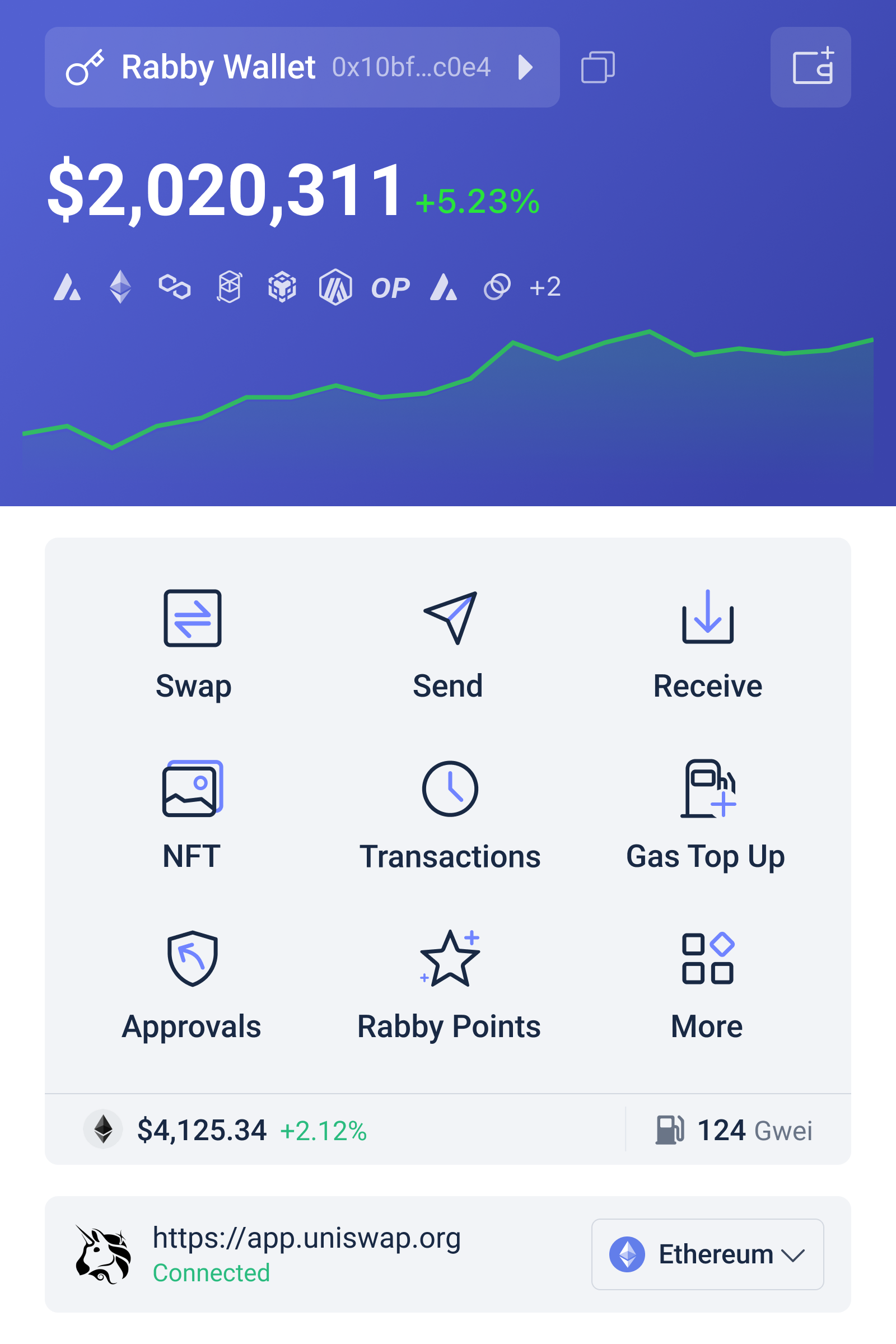
And if you want a concrete wallet that has been thinking about multi‑chain UX and simulation workflows, check out rabby wallet — they’ve integrated thoughtful simulation and safety nudges in ways that feel intentional and user‑first (this is not an ad, just my observation).
FAQ
How reliable are simulations?
Simulations are very useful but imperfect. They can catch reverts, major gas surprises, and many logic errors, but they can’t perfectly predict mempool ordering or relay failures. Use simulations to reduce risk, not to eliminate it entirely.
Do simulations slow down UX?
They can. So provide tiers: quick checks for low‑value txs and deeper traces for high‑value or cross‑chain operations. Let users control defaults.
Can simulation prevent MEV?
No. Simulation exposes risk but doesn’t prevent extractive ordering in the public mempool. To mitigate MEV, use private relays or bundle submission services that can exclude public mempool exposure.
I’ll be honest: building this right is fiddly and expensive. It requires careful engineering and a willingness to surface uncomfortable truths to users. But when you get it right, users transact with a lot more confidence. I’m not 100% sure we’ve found the final approach — there are still edge cases and new attack patterns — but this is the right direction. Somethin’ tells me wallets that ignore it will regret it.